

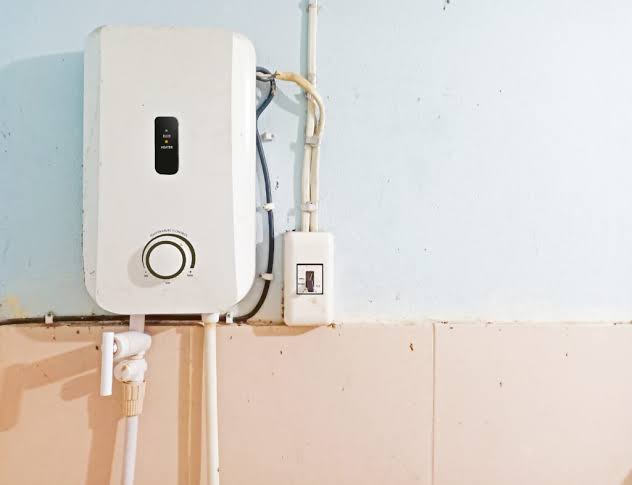
Bathrooms are naturally exposed to moisture, steam and splashes, making them very different from other areas of the home when it comes to electrical safety. Since water heaters are often installed in or near bathrooms, they need suitable electrical protection to operate safely and reliably. Understanding why damp conditions matter can help homeowners make better choices when installing and using a water heater.
Why Bathrooms Are Challenging for Electrical Appliances
Moisture is a constant presence in bathrooms. Hot showers create steam, water can splash onto nearby surfaces, and condensation may settle around walls, fittings and electrical connections. Over time, excessive moisture can affect electrical components, particularly if an appliance or its connections are not properly installed or protected.
A water heater combines electricity with a water supply, so electrical safety becomes especially important. Proper installation, earthing and suitable protective devices can help reduce the risk associated with electrical faults in a damp environment.
How Moisture Can Affect Water Heater Safety
Damp conditions can increase the possibility of electrical leakage if wiring, connections or components are exposed to moisture. While modern water heaters are designed with safety features, their protection also depends on correct installation and regular maintenance.
This is why a water heater should always be installed according to the manufacturer’s instructions and by a qualified professional. The electrical circuit should have appropriate protection, and the appliance should be correctly earthed. Keeping electrical connections away from direct water exposure is equally important.
Electrical Protection Features to Look For
When choosing a water heater for a bathroom, look beyond heating capacity and energy efficiency. Electrical safety features should also be part of the decision.
Devices such as an Earth Leakage Circuit Breaker (ELCB) or Residual Current Device (RCD) can help provide an additional layer of protection by detecting leakage of electrical current and disconnecting the supply when necessary. Proper earthing is another essential safeguard, as it provides a safe path for fault current.
The water heater should also have suitable protection against electrical overloads and other faults as recommended by the manufacturer and applicable electrical standards.
Installation Matters as Much as the Appliance
Even a water heater with built-in safety features needs to be installed correctly. A professional installer can ensure that the electrical connections, earthing, protective devices and water connections are properly configured.
Avoid using damaged wires, loose connections or unsuitable extension cords for a water heater. If you notice unusual sounds, burning smells, repeated tripping or any electrical issue, switch off the appliance and have it checked by a qualified technician.
Regular Checks Can Help Maintain Safety
Bathroom conditions can change over time. Wiring can deteriorate, connections can loosen and protective components may require inspection. Periodic servicing can help identify potential issues before they become more serious.
Keeping the area around the water heater reasonably dry and ensuring that water does not come into direct contact with electrical components can also support safer operation.
Conclusion
A damp bathroom environment makes electrical safety an important consideration when using a water heater. Choosing an appliance with appropriate safety features, ensuring professional installation and maintaining proper earthing and electrical protection can provide greater peace of mind. In regions affected by hard water, water softeners can help reduce mineral buildup that may impact the long-term performance of water heating systems. With the right precautions, homeowners can enjoy convenient hot water while keeping bathroom electrical safety a priority.
