

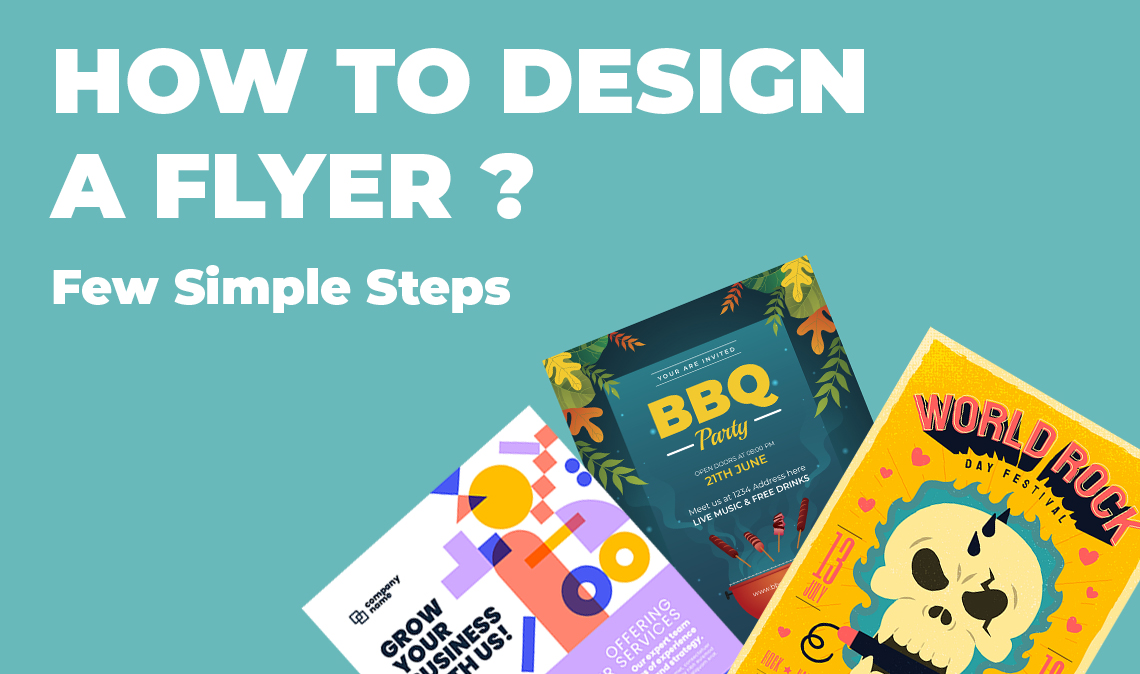
Even in a digital-first world, flyers remain one of the most powerful and cost-effective marketing tools. When designed correctly, a flyer can grab attention instantly, communicate your message clearly, and motivate people to take action.
But not all flyers work.
Some get noticed and drive calls, visits, or sales. Others are ignored, tossed aside, or forgotten within seconds. The difference lies in design, clarity, and strategy.
In this blog, you’ll learn how to create eye-catching flyers that don’t just look good—but actually convert readers into customers.
Why Flyers Are Still an Effective Marketing Tool
Flyers work because they are direct, tangible, and easy to distribute. They put your message straight into the hands of your target audience.
Flyers are commonly used for:
- promotions and discounts
- event announcements
- product launches
- local business marketing
- brand awareness campaigns
When done right, flyers can deliver high returns at a low cost.
The Psychology Behind Eye-Catching Flyers
People don’t read flyers line by line—they scan them.
An effective flyer must:
- grab attention in 3–5 seconds
- clearly communicate value
- guide the reader’s eyes naturally
- make the next step obvious
Design plays a huge role in how people react emotionally and logically to your message.
Start with a Strong Headline
Your headline is the most important part of your flyer. If it doesn’t catch attention, nothing else will be read.
A strong headline should be:
- bold and easy to read
- benefit-focused
- short and clear
- relevant to your audience
Good headline examples:
- “Flat 30% Off This Weekend Only”
- “Grand Opening – Limited Time Offers”
- “Grow Your Business Faster with Our Services”
Avoid vague headlines like “Best Quality” or “Welcome.” Be specific.
Use Clean and Attractive Visuals
Visuals are what people notice first.
High-quality images and graphics:
- make your flyer look professional
- attract attention from a distance
- help explain your offer faster
Tips for visuals:
- Use high-resolution images only
- Avoid too many images on one flyer
- Make sure visuals support the message
- Use brand-related colors and style
Blurry images or cluttered designs instantly reduce credibility.
Keep the Message Simple and Focused
One flyer = one main message.
Trying to say too much confuses readers and reduces conversions.
Your flyer should clearly communicate:
- what you’re offering
- who it’s for
- why it’s valuable
- what action to take
Use short sentences, bullet points, and clear sections to improve readability.
Use a Clear Call-to-Action (CTA)
If you don’t tell people what to do next, they usually do nothing.
Your CTA should be:
- visible and easy to find
- action-oriented
- time-sensitive if possible
Effective CTA examples:
- “Call Now”
- “Visit Our Store Today”
- “Scan the QR Code”
- “Limited Offer – Act Fast”
- “Book Your Free Consultation”
Make sure contact details are clear and readable.
Choose the Right Flyer Size and Layout
Flyers come in different sizes, and the right size depends on how and where you’ll distribute them.
Common flyer sizes:
- A5: compact, budget-friendly, easy to distribute
- A4: more space for details and visuals
- DL: great for menus, offers, and mail drops
Layout should follow a natural reading flow:
Headline → Visual → Key Message → CTA → Contact Info
Typography Matters More Than You Think
Fonts affect how professional and readable your flyer feels.
Best typography practices:
- Use no more than 2–3 fonts
- Choose bold fonts for headlines
- Keep body text simple and readable
- Maintain good spacing between lines
Avoid fancy fonts that reduce readability, especially for contact details.
Color Choices That Improve Conversion
Color attracts attention and influences emotion.
Smart color tips:
- Use high contrast between text and background
- Match colors with your brand identity
- Highlight important elements with accent colors
- Avoid using too many colors at once
For example:
- red and orange create urgency
- blue builds trust
- green feels fresh and eco-friendly
- black and gold feel premium
Paper Quality and Printing Make a Big Difference
Even the best design can fail with poor printing.
High-quality printing ensures:
- sharp text
- accurate colors
- premium look and feel
- better durability
A thicker paper and professional finish instantly make your flyer feel more trustworthy.
For best results, consider Eye-Catching Promotional Flyers that combine smart design with high-quality printing.
A Quick Comparison Table: Average vs High-Converting Flyers
| Feature | Average Flyer | High-Converting Flyer |
|---|---|---|
| Headline | Generic | Clear and benefit-driven |
| Design | Cluttered | Clean and focused |
| Visuals | Low quality | Sharp and professional |
| Message | Too much text | Simple and clear |
| CTA | Missing or weak | Strong and visible |
| Print quality | Basic | Premium and durable |
Common Mistakes to Avoid When Designing Flyers
Avoid these common flyer mistakes:
- overcrowding the design
- using low-resolution images
- unclear or missing CTA
- poor font choices
- too much text
- inconsistent branding
- cheap paper quality
Fixing these alone can significantly improve results.
Actionable Tips to Boost Flyer Conversions
Here are practical tips you can apply immediately:
- Test your flyer by showing it to someone for 5 seconds—can they understand it?
- Use white space to make content easier to read
- Highlight offers with shapes or color blocks
- Add QR codes for easy digital action
- Print a small batch first to review quality
- Place flyers where your target audience already goes
Related Keywords (LSI) for Flyers
SEO-friendly related terms used naturally with flyers:
- promotional flyers
- marketing flyers
- flyer design tips
- advertising flyers
- printed flyers
- event flyers
- business flyers
- flyer printing services
- creative flyer design
- local advertising flyers
Design Flyers That Don’t Get Ignored
Creating effective flyers is about more than design—it’s about strategy. When your flyer has a strong headline, clean layout, clear CTA, and professional printing, it becomes a powerful conversion tool.
Flyers that convert are simple, focused, and visually appealing.
