

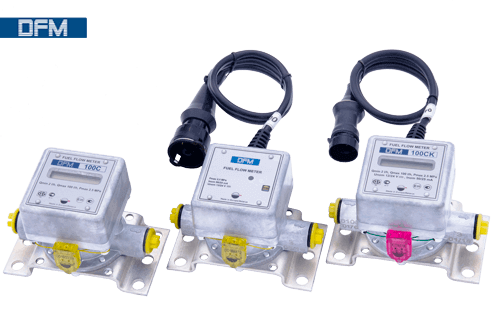
Industries running diesel-powered equipment must effectively manage their fuels. Monitoring and regulating fuel consumption is made possible in part by diesel fuel flow meters. It yields real-time data and gauges fuel consumption rate. This knowledge enables companies to maximize operations, lower expenses, and raise effectiveness. By means of a diesel fuel flow meter, one guarantees better fuel tracking and removes guesswork. It is mostly responsible for enhancing operational performance and general fuel economy.
Perfect Fuel Monitoring
Perfect measurements of fuel usage are given by a diesel fuel flow meter. Every drop of fuel is guaranteed to be counted for by this accuracy. It lessens disparities and advances fuel consumption openness. Correct data allows companies to make wise decisions. Planning and budgeting benefit from knowledge of the precise fuel use. Additionally helping to prevent theft or illegal use is fuel monitoring.
Modern fuel flow meters give real-time data by means of sophisticated technologies. Operators can spot any anomalies and promptly track consumption. Industries where gasoline prices are high will find particular benefit from this. Data analysis helps companies find inefficiencies and act with corrections. Fuel flow meters enable the establishment of a well-monitored, under control fuel system.
Enhanced Operational Capacity
Diesel fuel flow meters give real-time fuel consumption statistics, therefore improving operating efficiency. Fuel consumption lets operators modify engine performance. This advances fuel economy and aids in maximizing operations. Closely watching fuel consumption helps one to find any inefficiencies more easily. Finding too high fuel use will enable one to implement corrections.
Fuel flow meters let companies simplify their fuel consumption. It helps to preserve equilibrium between consumption and fuel supply. A gasoline system kept in good condition guarantees effective and seamless operation of equipment.
Reduced fuel costs and higher production follow from this. Fuel meter information help companies to implement fuel-saving strategies. These little changes added over time can result in notable savings.
Early Problems Detection and Preventive Maintenance
Engine performance is monitored in part via a fuel flow meter. It follows engine running time and fuel consumption. This information helps you spot any engine faults. A mechanical problem could be indicated if fuel usage rises rapidly. Early discovery of such problems helps to prevent significant repairs. This preventive strategy improves the lifetime of diesel-powered machinery and lessens downtime.
Frequent fuel consumption monitoring also guarantees timely servicing of engines. Many engine issues originate with unusual fuel use. Monitoring fuel use helps operators spot issues before they get serious. This guarantees that operations go without interruption as well as helps to save money. Diesel fuel flow meters enable the more efficient creation of maintenance programs. Their real-time data allows one to make better selections regarding upkeep.
Environmental Advantages and Financial Savings
Reducing expenses depends much on a diesel fuel flow meter. It aids in determining regions of fuel waste. Better fuel economy and savings in cost follow from this. Effective utilization of gasoline helps companies to reduce unneeded costs. Fuel meters offer information that enhances general efficiency and aids in the development of fuel use policies.
Furthermore, promoting environmental sustainability is the use of a fuel flow meter. Reduced emissions follow from lower gasoline use. Companies who track and manage gasoline use help to reduce their carbon footprint. Reducing fuel waste not only saves money but also helps attempts at environmental preservation.
Businesses can increase the sustainability of their operations by best managing fuel consumption. A lot of businesses nowadays are concentrating on lessening their environmental effect. Achieving this requires good fuel management as first step. Diesel fuel flow meters enable companies match their fuel consumption with environmental goals.
