

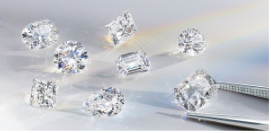
Sustainability is important in most industries today, the diamond industry not excluded. There is a leap toward environmentally friendly approaches. There are serious issues in diamond mining as it tries to meet international needs. Moreover, it needs to curb its ecological destruction. A company called Rare Carat is at the forefront in changing the image of diamonds. It is leading the way because of its sustainable business practices. In this piece, we discuss how Rare Carat is at the forefront of new attempts to make diamond mining sustainable and the ecological future of diamond mining.
The Shift toward Sustainable Approach in Diamond Mining
The socio-environmental impacts of diamond mining has for a long time insured. Deforestation, water pollution, and bad working conditions are some of the issues. Consumer concern over climate change and human rights is growing, inciting a greater change towards sustainability which in turn, shifts industry practices. This is where many businesses change heretofore their unsustainable and irresponsible means of doing business Rare Carat is one of such initiatives aimed at increasing the level of trust during transactions and conflicts free diamond trade. Rare Carat users can buy diamonds that are not only conflict free but ethically sourced making it easier for buyers to practice sustainable purchasing.
Rare Carat has an ethical sourcing claim that is true due to their purchase of a marvelously engineered Rare Carat 1.5 carat diamond ring marquise cut. Each diamond coming from their ethical suppliers passes strict disability checks which ensures their diamonds will always sustain their highlighted commitment to sustainability.
Diamond Mining Practices
The goal of sustainable diamond mining is to prevent further degradation of the environment whilst ensuring good working conditions. Traditional mining leads to land erosion, destruction of wildlife habitats, and excessive energy use as a result of traditional degenerative mechanized drilling tools. Rare Carat is one of the many firms that is adopting new methods designed to cut carbon emissions. Operations powered by solar energy and electric equipment cut down on the emission of greenhouse gases. In addition, today’s mining endeavors tend to utilize water recycling and effective waste disposal systems. In addition to protecting ecosystems, these procedures save resources.
Rare Carat has a sustainably sourced Rare Carat 2.2 carat emerald cut diamond from a producer that reflects ethical business practice. This diamond represents the company’s blending of lavishness and sustainability, which environmentalists appreciate. Every diamond they sell unquestionably demonstrates their commitment to responsible mining.
The Impact of Lab Made Diamonds
Sustainability is intricately connected to lab grown diamonds. These alternative diamonds can be made in a lab using sophisticated machinery. Research has proven that lab grown diamonds do not foster deforestation, destruction of natural habitats and employment of unacceptable labor conditions, unlike mined diamonds. Their environmental impact is minimal.
To meet the market gap, Rare Carat has a collection of lab grown diamonds. The company sells high quality, ethically made and conflict free products. Theoretically and practically, lab diamonds are identical to naturally mined diamonds in crystal structure and chemical composition. The only differing factor is lower social and environmental expenditure. By offering lab diamonds, Rare Carat is genuinely committed to supporting environmentally conscious consumer spending.
The Future of Diamond Mining and Sustainability
With the world shifting towards more sustainable practices, the diamond sector is no different. Consumers are more concerned about buying ethically and sustainably generated products. Companies like RareCarat are important in marketing this product.
Lab-grown diamonds could take up a larger portion of the sector in the future. With technological advancements comes decreased production expenses. As a result, more consumers would prefer lab-grown diamonds over mined diamonds.
The diamond industry is one that could benefit from blockchain technology. It is capable of providing clear information and access to the entire supply chain. Rare Carat, for example, can mark every diamond with an identifier establishing its provenance. Moreover, diamonds can be tracked through blockchain which guarantees their ethical and sustainable procurement.
Rare Carat sources every one of his diamonds from certified dealers responsible for providing ethically sourced diamonds. This can be validated with certificates from reputable bodies like the Responsible Jewelry Council, RJC. They willingly provide much-needed information, which is unfortunately lacking for many in the sector. This shows a new level of openness in the industry.
The Role of Consumers in Shaping the Future
Consumers also have a say. While companies like Rare Carat are taking positive strides, the public is equally responsible. For example, patronizing businesses with demonstrable ethical behavior will put pressure on other businesses to implement measures to increase conflict-free lab-grown diamonds and ethically mined diamonds.
Rare Carat helps consumers make educated decisions. They make sure buyers have the necessary information to choose diamonds with green alternatives. Because of this, there is evermore sustainability in the diamond industry.
Conclusion
The prospects of diamond mining in a sustainable world are positive. Rare Carat is spearheading the movement with ethical and sustainable practices. The adoption of lab grown diamonds and sustainable mining surely impacts the direction the company is taking. The more consumers know about the social and environmental issues, the greater the need for sustainable diamonds. This importance and need will positively impact the industry.
