

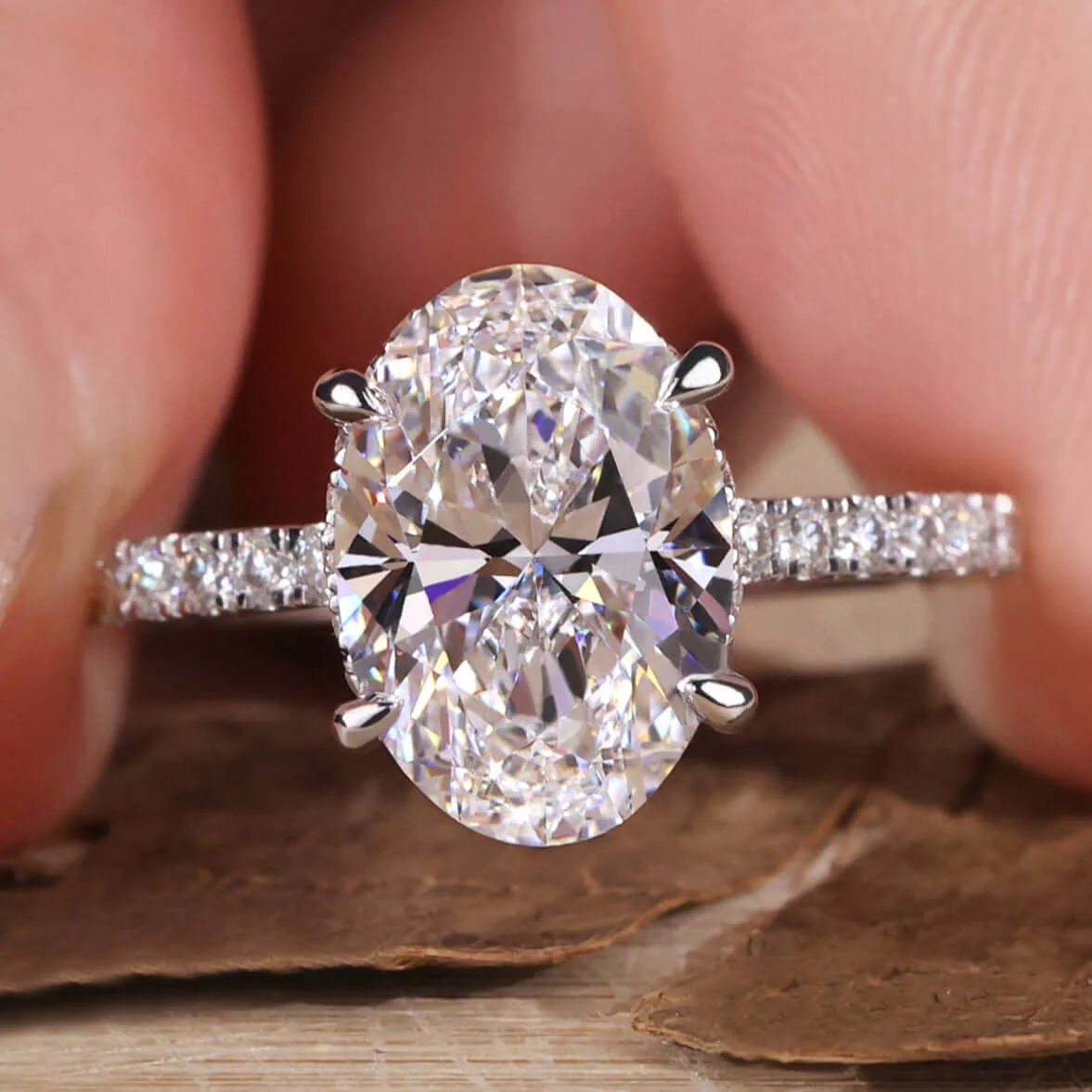
The first-time purchase of a diamond is an emotional as well as significant investment. Whether the diamond is an engagement gift, gift, or a personal investment for oneself, diamonds symbolize love, commitment, and enduring beauty. For first-time buyers, however, the process of purchasing a diamond is daunting with all the options, price, and language. This guide is designed to make the major points of diamond buying easy for you, allowing you to make an informed and confident purchase.
1. Learn about the 4Cs of Cut, Color, Clarity, and Rare Carat
The Gemological Institute of America developed the 4Cs system to set a standard for grading Rare Carat diamonds. The four attributes define a diamond’s quality and value.
Cut
Cut refers to how a diamond is cut and shaped. Cut is the most significant factor in a diamond’s fire and brilliance. A well-cut diamond will handle light effectively and sparkle more. Cut is rated from Excellent to Poor. If budget is a concern, rank cut higher than the rest of the Cs.
Colour
Diamonds are found in a range of colors, with the most valuable being those that are colorless. The GIA colors range from D (which is colorless) to Z (which is light brown or light yellow). For most buyers, G-H diamonds are an excellent combination of quality and price, being near-colorless on the visual spectrum.
Clarity
Clarity measures how many inclusions (internal flaws) and blemishes (external flaws) there are. The GIA grading is from Flawless (no imperfections visible under 10x magnification with a loupe) down to Included (imperfections visible with the unaided eye). For a good bargain, consider diamonds in the VS1-VS2 or SI1 range, in which imperfections are minimal and won’t be visible with the unaided eye.
Carat
Carat refers to the weight of the diamond. A carat is 0.2 grams. The bigger the stone, the rarer and more expensive it is, but size is not all you should consider. A small, well-cut stone will appear more spectacular than a large, poorly cut one. If you are on a budget, buy slightly lower-than-standard carat weights (e.g., 0.9 carat instead of 1.0 carat) and save money with little noticeable difference.
2. Choose the Right Shape
There are several shapes of Rare Carat diamonds, including round, princess, cushion, oval, pear, emerald, and marquise. The round brilliant is the most sought-after due to its high brilliance and traditional beauty. Still, fancy shapes like pear shaped and oval shapes appear larger for their weight and are potentially less costly compared to round diamonds of the same quality and weight. Choose a shape that matches your style and personality.
3. Keep in perspective
Setting both preserves the diamond and also determines the appearance. Settings can be from solitaire (single diamond) through halo (center stone with smaller diamonds on both sides) and three-stone (past, present, and future). Metals can be from white gold, yellow gold, and rose gold, to platinum. Choose a setting that suits the gem and lifestyle of the wearer—such as platinum, for instance, is extremely durable but expensive.
4. Confirm Certification
Never buy a diamond that is not certified by a major gemological lab. The most reliable are the GIA (Gemological Institute of America) and the AGS (American Gem Society). A certificate provides you with an unbiased assessment of the quality of the diamond and ensures that you are receiving your money’s worth. Be wary of in-house or lesser-known lab reports, since they tend to be liberal in their grading.
5. Create a Realistic Budget
Diamonds are sold according to the 4Cs. Decide how much you are willing to spend prior to going shopping. While there is an old myth that you need to spend two or three months’ salary on an engagement ring, the truth is that you should decide how much you have and how you want to spend it, depending on your budget and your style. By being clever and, say, reducing your choice by one level in terms of clarity or colour, for instance, you can have a stunning stone without overspending.
6. Buy from Reliable Jewelers
Whether you buy online or in a storefront, choose a seller with an excellent reputation for quality, customer support, and honesty. Choose retailers that offer certified diamonds, easy return policies, warranties, and upgrades. Online retailers can offer better prices due to their reduced overhead, but be sure that they are offering high-resolution images, zoom pictures, and real customer reviews.
7. Inspect Before You Buy
Wherever possible, inspect the diamond in person or ask for high-quality photos and video. Inspect its appearance in different light and look for noticeable blemishes. Don’t be afraid to ask the jeweler questions about the details of the diamond or to see multiple side by side.
8. Think long-term
A diamond purchase is an emotional yet potentially also a financial investment. Choose a style and quality that is going to be timeless. Consider also whether the store offers lifetime benefits of cleanings, resizing, or trading in, that are going to provide you with extra value in the long term on your investment.
9. Familiarize yourself with Diamond Alternatives
If you are on a tight budget, consider lab-created diamonds, which are actually the same chemically as natural diamonds but usually 30–40% cheaper. Alternatively, you can consider moissanite and white sapphires, both of which can produce the same shine for a fifth of the cost.
Conclusion
It is overwhelming, purchasing a diamond for the first time, but being familiar with the basics will make you a smart shopper. Adhere to the 4Cs, go with an expert jeweler, and think in terms of priorities. If you desire brilliance, size, or a certain cut, there is a diamond that suits your purpose and budget. If you are equipped with the necessary knowledge, your first experience in purchasing a diamond is sure to be a positive one.
