

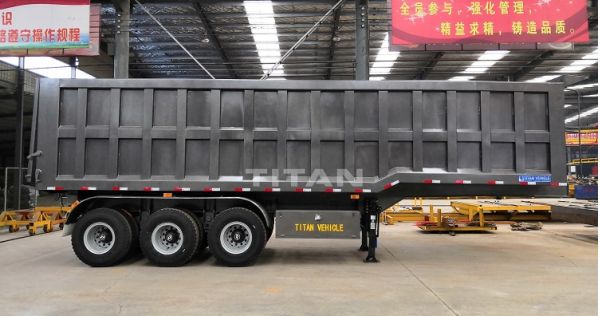
Sand, gravel, and building trash can all be transported and unloaded from a tipping trailer. It simplifies unloading, so saving time and effort. Selecting the appropriate tipper trailer guarantees dependability, safety, and economy. Think about load capacity, materials, towing compatibility, and other features to help you make the best decision.
Know Your Needs
Start with knowing your particular requirements for tipper trailers. Think about the kind of stuff you will be moving. A sand & dirt trailer could have different needs than one used for transporting large rocks or crops. Your load’s weight is crucial. A trailer’s lifetime may be shortened and damage caused by overloading could be evident. Before deciding, always be sure the trailer’s maximum weight capacity is known.
Moreover, important is the terrain the trailer will be operated on. Strong suspension and robust tires on a trailer help on rough or uneven surfaces. Choose one built from premium materials to resist daily wear and tear if the trailer will be used often. For simple handling and storage, occasional users could favor a smaller model.
Choose the Correct Specifications
The dimensions of the trailer should fit your need for transportation. While a big trailer could be difficult to maneuver, a tiny one could not have adequate load. To make sure the trailer fits, gauge the space accessible for parking and storage.
A tipper trailer’s hydraulic system is crucial. It lessens hand work and lets the weight tip easily. A good hydraulic system needs to be dependable, fast, and smooth. Some trailers have either manual or electronic hydraulic pumps. While hand methods could be more reasonably priced, electric ones demand less effort.
The trailer’s endurance depends on its building material. Strong and adept in handling large loads are steel trailers. Lighter and rust-resistant, aluminum trailers are perfect for damp environments. Extra protection against corrosion and extended trailer lifespan comes from a galvanized coating.
Still, another important consideration is the trailer’s floor thickness. Regular use and strong impacts can be handled by a thicker floor. Reinforced floors stop dents and cracks, therefore extending the trailer’s lifetime and guaranteeing its good condition.
Check Compatibility with the Towing Vehicle
The towing car has to be able to safely pull the trailer. See your vehicle’s towing capacity and then match it to the weight of the trailer when fully loaded. Undersized vehicles run the danger of causing performance problems and accidents.
The trailer’s hitch type should fit your towing mechanism for your car. Typical hitch styles are pintle hitches and ball hitches. Guaranteeing appropriate compatibility helps to avoid alienation when driving.
Safety depends on braking systems, particularly in heavy load-carrying situations. While some tipper trailers include mechanical braking systems, others have electronic brakes. While towing, a well-maintaining brake system enhances control and stability.
Furthermore, compatible should be lights and indicators. Correctly linked lights increase visibility and guarantee the trailer satisfies road safety requirements. Check all connections often to prevent power failures.
Think Through Legal Compliance and Extra Features
A good tailgate design simplifies unloading. Certain trailers feature moveable or multi-position tailgates, therefore providing flexible dumping choices. When loading big items, side panels that are removable or changeable provide ease.
Underrun protection and body stops are safety devices used to assist stop mishaps. A strong locking system guarantees the tipper trailers stay steady both during maintenance and when parked. Good safety measures guard the trailer as well as the user.
Local Road rules ought to be always respected. Different areas have particular guidelines for safety criteria, weight restrictions, and trailer size. See whether a trailer satisfies all legal requirements before you buy it. Using a non-compliant trailer could result in fines or use limitations.
