

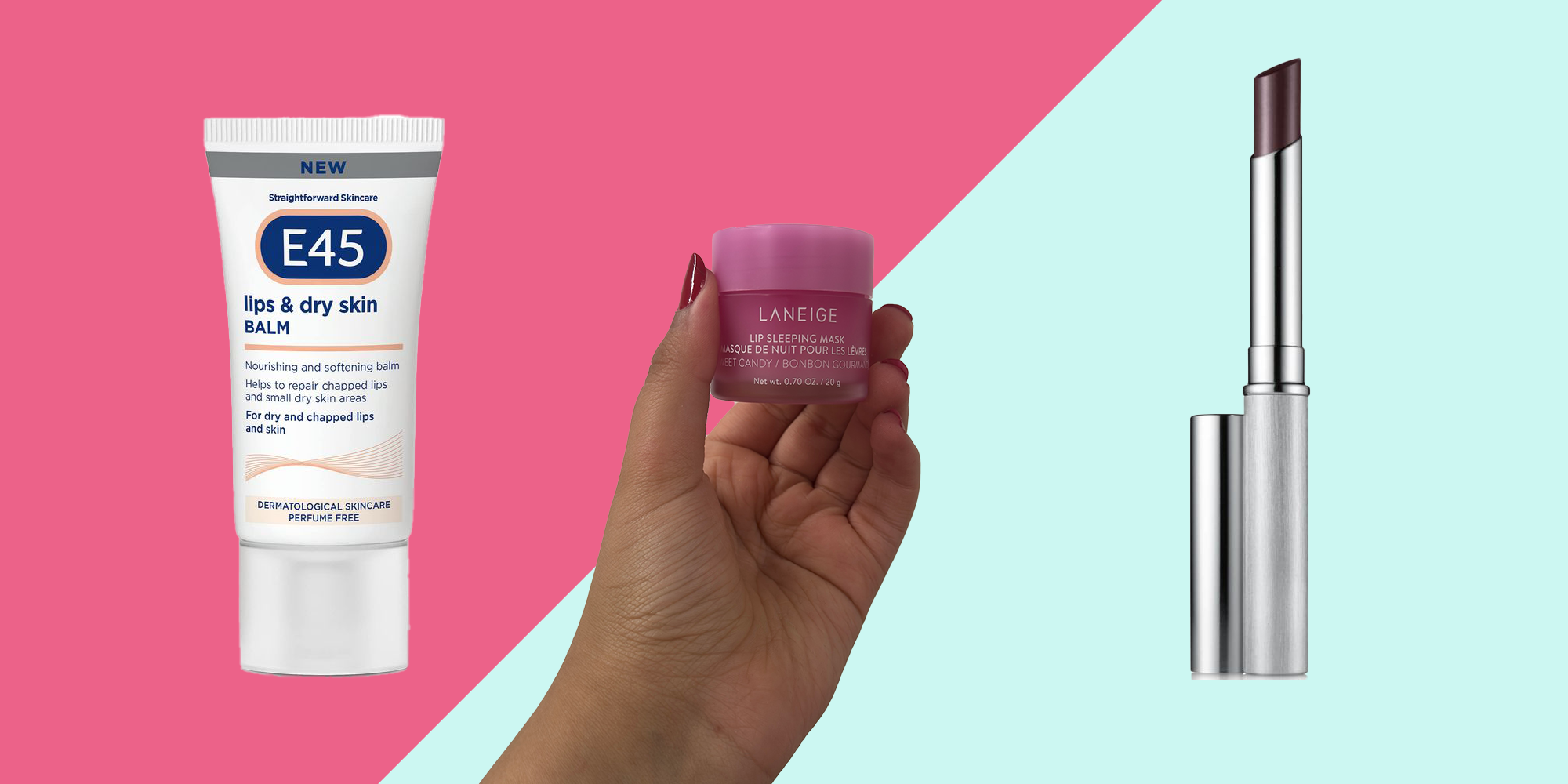
Have you ever struggled with lips that feel constantly chapped and uncomfortable? Many people experience dryness due to weather changes, dehydration, or even using the wrong lip care products. Finding a solution that keeps lips moisturised without causing irritation can be challenging. With so many products available, it’s easy to feel overwhelmed by endless ingredient lists and marketing claims.
Selecting a nourishing formula with effective ingredients can make a noticeable difference in hydration levels. Some lip balms only offer temporary comfort but fail to address the underlying dryness. In this guide, we’ll explore essential ingredients to look for when choosing the best lip balm for dry lips.
Why Your Lips Get Dry and Chapped
Lips are more delicate than other areas of skin, making them more prone to dryness and irritation. Unlike the rest of the body, they lack oil glands that naturally provide hydration and protection. Exposure to harsh weather conditions, including extreme cold, dry air, and excessive sun, can strip away moisture. Drinking too little water and frequently licking lips also contribute to increased dryness and discomfort.
Daily habits and environmental factors play a significant role in maintaining hydration. Many people unknowingly worsen their symptoms by choosing products that contain drying agents. Switching to a formula with soothing and hydrating components helps repair the delicate barrier. Applying a nourishing product regularly prevents further moisture loss and promotes a smoother texture.
Key Ingredients to Look for in a Balm
Choosing a formula with deeply hydrating and protective ingredients is essential for restoring lip health. Some components work by sealing in moisture, while others help repair damage caused by dryness. Natural butters and oils provide intense nourishment, making lips feel soft and supple. Certain humectants draw moisture into the skin, preventing flaking and discomfort throughout the day.
Many skincare specialists recommend using lip balms that contain a combination of natural emollients and protective agents. Plant-based oils like coconut and jojoba create a barrier that helps prevent dehydration. Beeswax and shea butter act as occlusives, locking in moisture and reducing exposure to environmental stressors. Hydrating agents like hyaluronic acid and glycerin attract water, keeping lips plump and smooth.
Hydrating Agents That Provide Long-Lasting Moisture
Not all hydrating ingredients offer the same level of effectiveness when it comes to lip care. Some provide instant relief but evaporate quickly, leaving lips dry again within a short time. The best formulas contain humectants that attract water and hold it within the skin’s surface. Ingredients like hyaluronic acid and glycerin pull moisture from the surrounding environment, helping to maintain hydration.
Hydrating agents should be combined with emollients and occlusives to ensure maximum effectiveness. Without a proper balance, humectants may draw moisture from deeper layers of the skin, leading to further dehydration. Pairing these elements with nourishing butters and waxes prevents water loss and keeps lips feeling soft. When applied consistently, these hydrating components help prevent flaking, cracking, and irritation.
Natural Butters and Oils for Deep Nourishment
Rich, plant-based butters and oils provide essential fatty acids that support lip health and repair damage. These ingredients help create a protective barrier that locks in moisture and prevents further dryness. Shea butter is a popular choice due to its ability to soften and smooth chapped lips effectively. Cocoa butter offers similar benefits, delivering deep hydration and a rich, creamy texture.
Selecting a product with a blend of natural emollients enhances the overall soothing effect. Many lip balms combine different oils and butters to create a formula that deeply conditions the skin. Mango butter, for example, is known for its lightweight texture and ability to restore suppleness. Avocado oil adds another layer of hydration, helping to relieve persistent dryness.
Protective Agents to Prevent Moisture Loss
Even the most hydrating ingredients won’t be effective if they’re not sealed in properly. Occlusive agents create a barrier that prevents water from evaporating, keeping lips moisturised for longer periods. Beeswax is a well-known protective ingredient that helps retain hydration while offering a smooth application. Lanolin is another powerful occlusive that mimics the skin’s natural barrier, preventing further chapping and irritation.
A good lip balm should provide a balance between hydration and protection. Products that rely solely on humectants without occlusive agents may lead to more dryness over time. Using a balm with a proper sealing component ensures that moisture remains locked in throughout the day. Applying a protective layer before heading outdoors shields lips from extreme temperatures and harsh conditions. A well-formulated product combines both hydration and protection for optimal lip care benefits.
Finding the best lip balm for dry lips requires understanding which ingredients truly support hydration and repair. Hydrating agents, natural butters, and protective components all play a crucial role in keeping lips soft and moisturised. Avoiding drying ingredients ensures that your chosen product provides relief without causing further irritation. Selecting a balm with a combination of humectants, emollients, and occlusives offers long-lasting hydration and protection.
