

The world of education is rapidly evolving, with gamified learning becoming a powerful tool to teach complex skills in engaging and accessible ways. For aspiring real estate investors, mastering the art of property investment can seem daunting due to its intricate mix of market analysis, financial planning, and strategic decision-making. However, gamified slot gacor hari ini learning is making real estate investment concepts easier to grasp by transforming them into interactive and practical experiences.
This article delves deep into how gamified learning is revolutionizing real estate education, equipping individuals with the tools to confidently navigate the market and make informed investment decisions.
The Rise of Gamified Learning in Real EstateFrom Passive Learning to Active Engagement
Traditional real estate education often relies on passive learning methods such as lectures, textbooks, and case studies. While these tools provide foundational knowledge, they often lack the interactivity required to fully engage learners or prepare them for real-world challenges.
Gamified learning flips this model by creating immersive environments where users actively participate in decision-making, allowing them to “learn by doing.” This approach bridges the gap between theory and practice, making it easier for users to internalize key concepts.
Why Real Estate Is Perfect for Gamification
Real estate investment involves dynamic variables like market trends, property values, financing options, and risk management. These complexities make it an ideal subject for gamification, where scenarios can be modeled to simulate real-world challenges without the financial consequences of failure.
Key Features of Gamified Real Estate Learning Platforms1. Realistic Simulations
The cornerstone of gamified learning in real estate is its ability to replicate real-world markets. Platforms simulate fluctuating property prices, changing interest rates, and other market dynamics to help players understand how external factors influence investments.
2. Interactive Scenarios
Games often include challenges such as negotiating property deals, managing rental income, or handling unexpected expenses. These interactive scenarios train players to think critically and adapt to varying situations.
3. Progress Tracking
Many platforms incorporate progress meters, leaderboards, and achievements to keep learners motivated. These features also allow users to track their growth and identify areas for improvement.
4. Competitive and Collaborative Play
Some games introduce multiplayer modes, enabling users to compete or collaborate with others. This fosters a sense of community and provides opportunities for peer learning.
How Gamified Learning Enhances Real Estate Skills1. Market Analysis
Real estate games teach players to analyze market trends and evaluate property values based on location, amenities, and other factors. By simulating market fluctuations, players learn how to time investments for maximum profitability.
2. Financial Literacy
Understanding the financial side of real estate is crucial, and gamified platforms provide hands-on experience in budgeting, calculating ROI, and managing cash flow. Players also learn about loan structures, interest rates, and tax implications.
3. Risk Management
In real estate, no investment is without risk. Gamified learning introduces scenarios like market downturns, tenant disputes, or unexpected repairs, training players to anticipate challenges and develop contingency plans.
4. Negotiation Skills
Simulating property deals helps players practice negotiation, teaching them how to secure favorable terms and close profitable transactions. This skill is invaluable in both real estate and broader business contexts.
5. Long-Term Planning
Games often encourage players to think beyond short-term gains, emphasizing the importance of building a sustainable portfolio. This mindset aligns with the long-term nature of real estate investment.
Popular Gamified Tools for Real Estate Learning1. REIT Simulator
This platform focuses on the mechanics of Real Estate Investment Trusts (REITs). Users learn to diversify their portfolios, analyze market trends, and maximize returns by balancing high-risk and stable investments.
2. Landlord Tycoon
A mobile game where players buy, sell, and rent properties in a competitive market. The game provides insights into property management and the importance of location in real estate.
3. Property Mogul
This game emphasizes deal analysis, allowing players to evaluate potential investments based on detailed financial metrics. It’s an excellent tool for learning how to assess risk versus reward.
4. SimCity BuildIt
While primarily an urban planning game, SimCity BuildIt teaches players about zoning, infrastructure, and community needs—essential considerations for real estate developers.
5. DealMachine Simulator
This platform helps players practice lead generation and deal closing. It’s ideal for aspiring real estate wholesalers looking to refine their skills in finding and securing profitable properties.
Benefits of Gamified Learning for Real Estate Enthusiasts1. Accessible to All Skill Levels
Whether you’re a novice or a seasoned investor, gamified platforms cater to varying levels of expertise. Beginners can grasp basic concepts, while advanced users can refine their strategies.
2. Risk-Free Environment
The simulated nature of gamified learning removes the financial risks associated with real-world investments. This allows players to experiment freely and learn from their mistakes.
3. Immediate Feedback
Games provide real-time feedback on decisions, enabling users to learn from both successes and failures. This instant evaluation accelerates the learning process.
4. Increased Engagement
Gamified platforms use interactive elements to make learning enjoyable, encouraging users to spend more time mastering the material.
5. Practical Application
By replicating real-world scenarios, these games ensure that players can apply their skills directly to actual investments.
Future Trends in Gamified Real Estate Learning1. Artificial Intelligence and Machine Learning
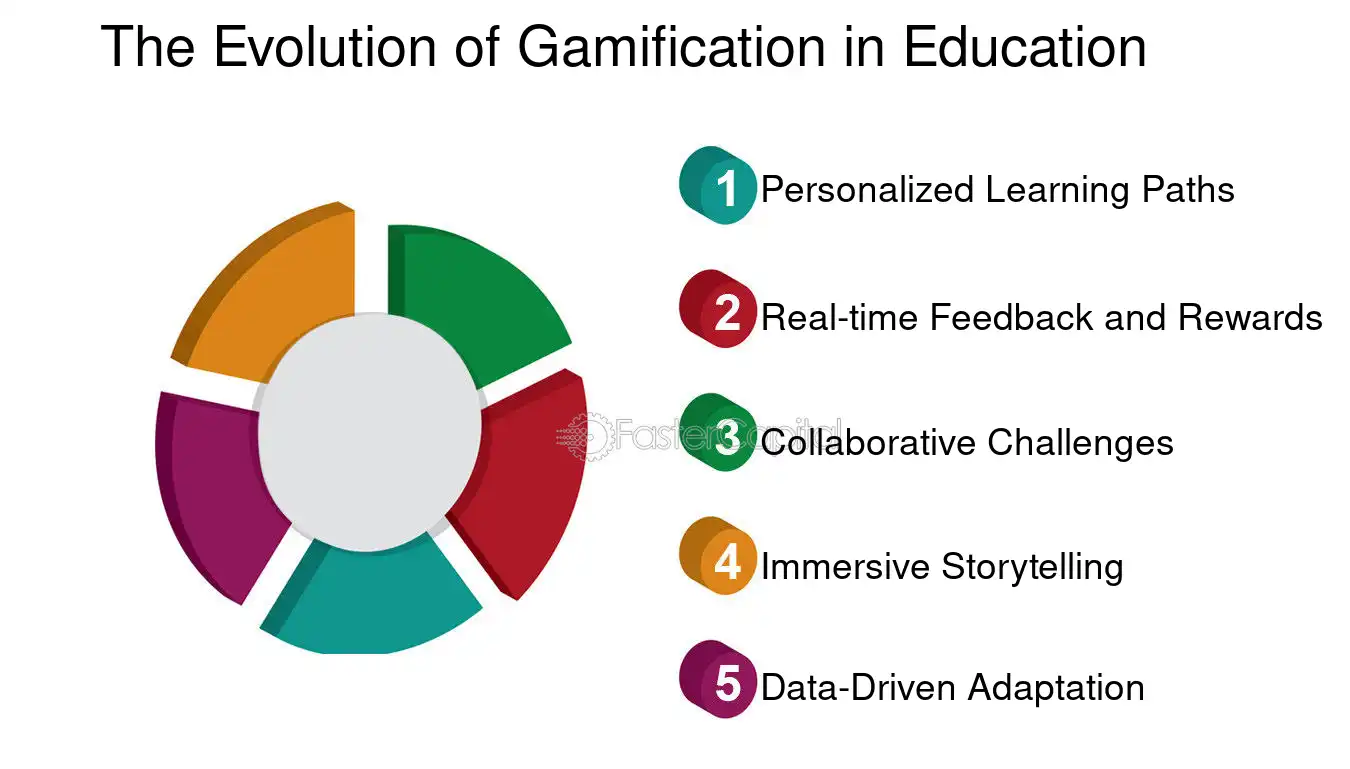
AI-powered platforms will analyze user behavior to create personalized learning paths. These systems will adapt challenges based on individual strengths and weaknesses, optimizing the learning experience.
2. Virtual Reality (VR) and Augmented Reality (AR)
Imagine touring virtual properties or negotiating deals in a fully immersive VR environment. AR could overlay real-time data onto physical spaces, enhancing the learning process.
3. Blockchain Integration
Blockchain technology could introduce tokenized property investments into gamified platforms, providing users with a closer approximation of real-world transactions.
4. Cross-Platform Compatibility
The future of gamified learning lies in seamless integration across devices. Whether on a smartphone, tablet, or VR headset, users will enjoy consistent experiences and progress tracking.
Tips for Getting the Most Out of Gamified Real Estate Tools
- Set Clear Objectives
Determine what you want to achieve, whether it’s mastering ROI calculations or learning negotiation tactics. - Combine with Traditional Learning
Use gamified tools alongside books, courses, and mentorship for a well-rounded education. - Practice Consistently
Regular gameplay reinforces skills and keeps concepts fresh in your mind. - Analyze Your Decisions
Review your in-game performance to understand what worked and what didn’t. Apply these lessons to your real-world investment strategies.
Conclusion
Gamified learning slot is revolutionizing the way people approach real estate education. By combining interactive gameplay with practical scenarios, it transforms a traditionally complex field into an engaging and accessible experience. From analyzing market trends to managing property portfolios, these platforms provide invaluable skills that can be directly applied to real-world investments.
As technology continues to advance, gamified learning tools will become even more immersive, personalized, and impactful. Whether you’re a novice investor or a seasoned professional, leveraging these tools can help you level up your skills and build a successful real estate portfolio.
The game is on—are you ready to play smarter and invest better?
