

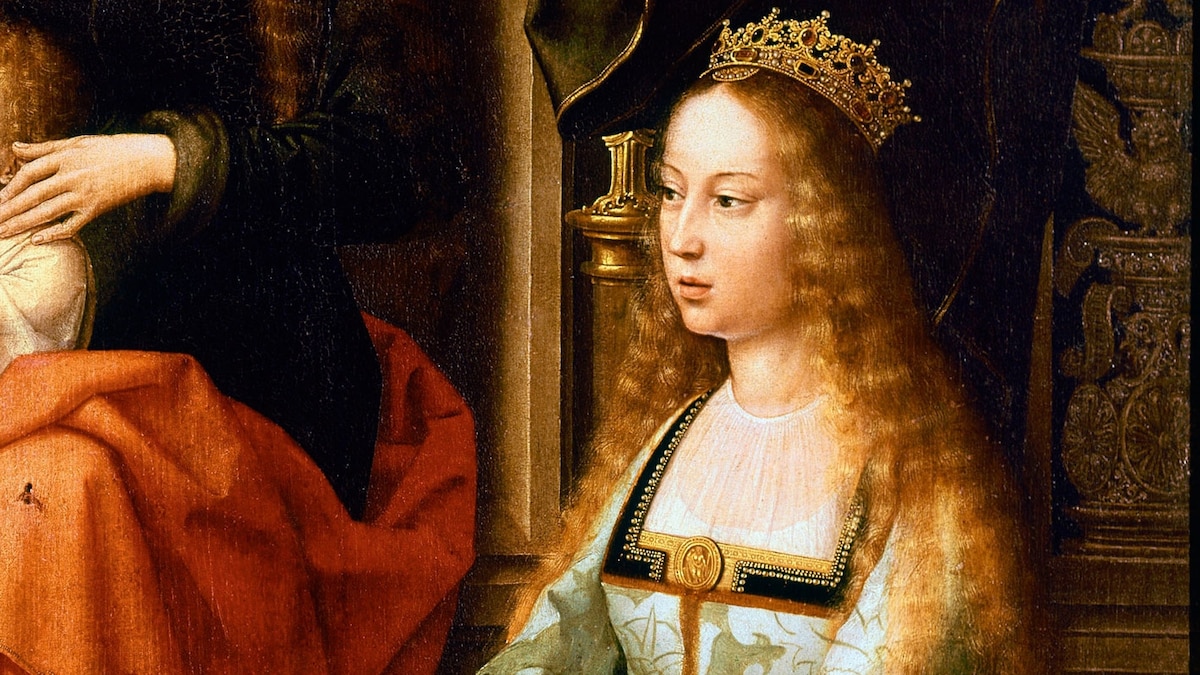
Isabella I of Castile is a historical figure whose influence resonates even today. Born in 1451, she became one of the most powerful women in European history, reigning as Queen of Castile and León from 1474 until her death in 1504. Together with her husband, Ferdinand II of Aragon, she laid the foundation for the unification of Spain and significantly influenced global history.
Known as the Catholic Monarchs, Isabella and Ferdinand completed the Reconquista, sponsored Christopher Columbus’s voyage to the Americas, and set the stage for Spain’s emergence as a world power. Her reign marked the dawn of a new era, filled with both achievements and controversies, shaping Spain’s future for centuries to come.
Isabella Bio/Wiki
Who was Isabella?
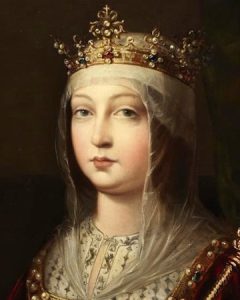
Isabella I of Castile was born on April 22, 1451, in Madrigal de las Altas Torres. She was the daughter of King John II of Castile and Isabella of Portugal. Her life took a dramatic turn when her half-brother, Henry IV, ascended to the throne.
Isabella married Ferdinand of Aragon in 1469, a union that led to the unification of Spain. Together, they became known as the Catholic Monarchs, renowned for their significant contributions to Spanish and global history. Her reign is marked by the completion of the Reconquista and support for Columbus’s voyage.
Isabella Early Life And Background
Isabella was born on April 22, 1451, in Madrigal de las Altas Torres, Spain. Her father, King John II of Castile, passed away when she was just three years old. This left her and her siblings under the guardianship of her half-brother, King Henry IV.
Raised in a challenging environment, Isabella experienced financial struggles and political instability. Despite these hardships, her mother ensured she received a strong religious and practical education. When summoned to court in Segovia, her living conditions improved significantly, and she became well-versed in various subjects, including history and art.
Isabella Marriage and Rise to Power
Isabella’s marriage to Ferdinand of Aragon in 1469 was a turning point. Their union laid the groundwork for the unification of Spain. Both monarchs shared power equally, bringing stability to their realms. Together, they worked to reduce crime and reorganize the government. Isabella’s shrewd political skills complemented Ferdinand’s military prowess.
This partnership allowed them to complete the Reconquista and strengthen Spain’s global influence. Their marriage also marked the beginning of significant reforms, shaping the future of their united kingdoms. Isabella’s rise to power was marked by strategic alliances and decisive actions, making her a formidable ruler.
Key Achievements of Isabella Reign
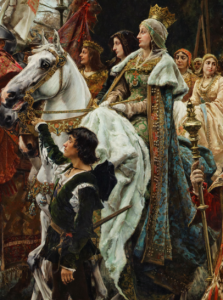
Isabella’s reign was marked by significant achievements. She reorganized the government, reducing corruption and improving efficiency. She and Ferdinand completed the Reconquista, reclaiming the last Muslim stronghold of Granada in 1492. That same year, they financed Christopher Columbus’s expedition, leading to the discovery of the Americas.
Isabella also initiated the Spanish Inquisition, aiming to maintain Catholic orthodoxy in their realms. Additionally, her policies led to the expulsion of Jews from Spain, profoundly impacting the country’s social and economic fabric. Isabella’s strategic moves strengthened Spain, establishing it as a dominant power in Europe and beyond.
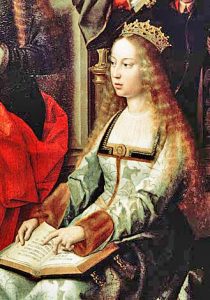
Isabella Height, Weight, and Physical Appearance
| Attribute | Details |
|---|---|
| Height | Estimated around 5’5″ (165 cm) based on historical averages of the time |
| Weight | Not documented in historical records |
| Hair Color | Auburn or reddish-blonde (as described in chronicles) |
| Eye Color | Light-colored, possibly blue or green, based on some contemporary descriptions |
| Complexion | Fair |
| Physical Build | Described as dignified, regal, and imposing |
Isabella Family and Legacy
Isabella and Ferdinand had seven children, five of whom survived to adulthood. Her daughter, Catherine of Aragon, became Queen of England, marrying Henry VIII. Their lineage included influential monarchs, shaping European history. The marriage of their daughter Joanna to Philip the Handsome produced Charles V, who became Holy Roman Emperor.
Isabella’s descendants played key roles in European politics, extending her influence. Her legacy is reflected in the widespread impact of her policies and decisions. The unification of Spain and the exploration of the New World under her reign marked the beginning of Spain’s Golden Age.
Isabella Wealth Through History
Isabella’s wealth was immense, bolstered by her marriage to Ferdinand. Together, they consolidated control over Spain, reclaiming the Iberian Peninsula. Their support for Columbus’s voyages opened new avenues for wealth. Isabella’s annual income reached approximately 1.45 million ducats, making her one of the richest monarchs.
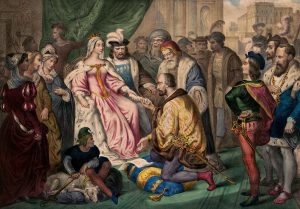
Her possession of jewels and valuable assets was unmatched. Gold from the New World further enhanced her fortune, strengthening Spain’s economy. Transitioning from a debt-ridden kingdom to a prosperous empire, Isabella’s financial acumen was instrumental in her reign. Her wealth facilitated the monumental changes she and Ferdinand implemented, altering Spain’s course forever.
Fun Facts about Isabella
- Secret Wedding: Isabella and Ferdinand secretly married on October 19, 1469, to circumvent political opposition.
- Devout Faith: She attended Mass daily and was a staunch advocate of Catholicism during her reign.
- Literary Patron: Isabella supported scholars and poets, enriching the cultural landscape of Spain.
- Art Enthusiast: She was a passionate art collector, commissioning many significant works.
- Chess Player: Isabella enjoyed chess, using it to sharpen her strategic thinking.
- Polyglot Queen: Fluent in Latin and Castilian, Isabella had proficiency in multiple languages.
- Equestrian Skills: She was adept at horseback riding and often led her troops in military campaigns.
Isabella Images
Frequently Asked Questions about Isabella
What was Isabella’s full title?
Isabella I was Queen of Castile and León, later uniting Spain with her husband, Ferdinand II of Aragon.
Did Isabella have any children?
Yes, she had seven children, notably Catherine of Aragon, who became Henry VIII’s first wife.
What were Isabella’s major achievements?
Isabella played a key role in the Reconquista, financed Columbus’s 1492 voyage, and established the Spanish Inquisition.
How did Isabella influence global exploration?
By sponsoring Columbus, she enabled European exploration and colonization of the Americas.
Was Isabella wealthy?
Yes, her annual income of 1.45 million ducats made her one of the wealthiest monarchs of her era.
What was Isabella’s relationship with the Catholic Church?
Granted the title “Catholic Monarch” by Pope Alexander VI, her cause for sainthood was initiated in 1974.
Did Isabella face any opposition during her reign?
Yes, she overcame political struggles, including conflicts over her marriage and disputes with her half-brother, Henry IV.
Conclusion of Isabella
Isabella’s legacy is a blend of impressive achievements and significant controversies. Her reign marked the unification of Spain, setting the stage for its emergence as a global power. Beyond politics, she was a patron of exploration, enabling discoveries that reshaped the world.
However, her policies, such as the Spanish Inquisition and the expulsion of Jews, left lasting impacts. The complexities of her rule make her a compelling figure in history. Despite the challenges, Isabella’s influence remains evident in the modern world, cementing her place as a pivotal monarch in European history.
