

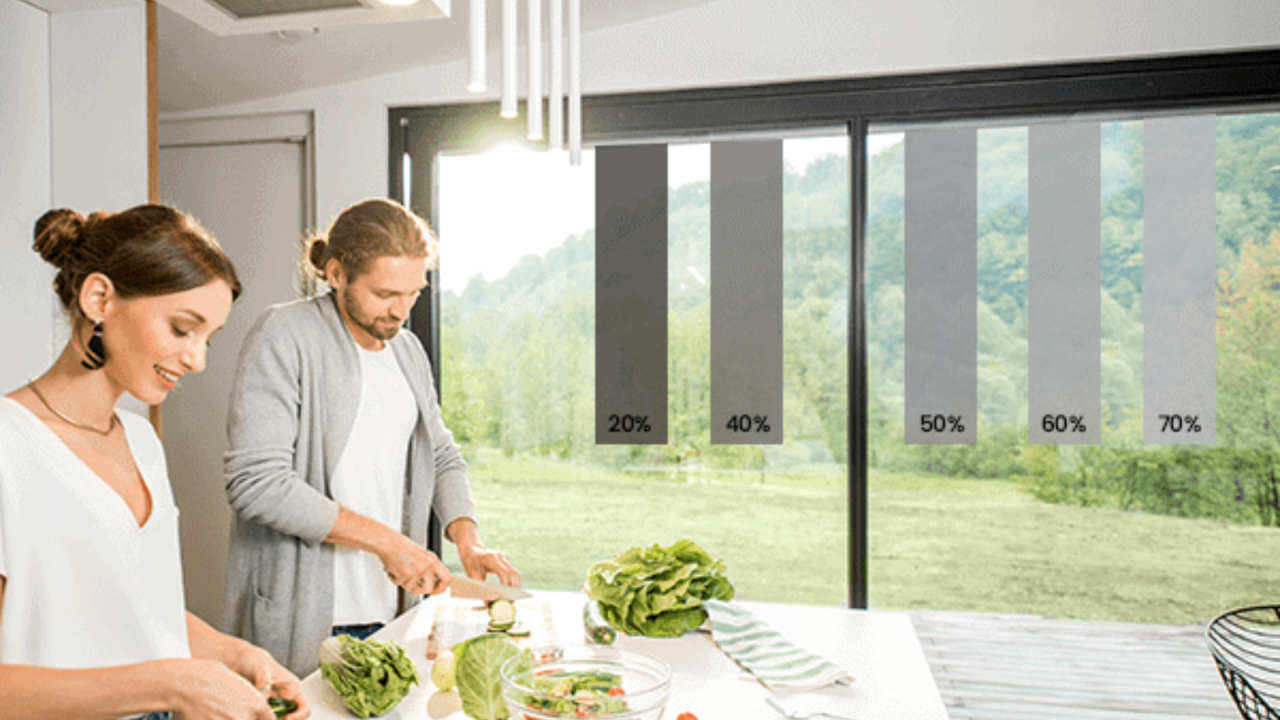
In recent years, there has been an increased focus on improving energy efficiency within homes and commercial properties. As individuals and businesses strive to reduce their carbon footprint and cut energy costs, innovative solutions such as window films have come into the spotlight. These films, typically made from polyester-based materials, are installed directly onto the surface of windows and offer numerous benefits that go beyond mere energy savings.
The Science Behind Energy Efficiency
At their core, window films are designed to enhance a building’s energy efficiency by managing the amount of solar heat that passes through the glass. During the summer months, windows without any form of protection can let in significant amounts of solar radiation, leading to increased indoor temperatures and heightened reliance on air conditioning systems. This can result in exorbitantly high energy bills, including your Ambit Energy bill, and unnecessary strain on electrical systems. Conversely, in the winter, poorly insulated windows may contribute to heat loss, making indoor spaces colder and forcing heating systems to work harder.
Window films address these issues by providing a protective layer that reflects a portion of the sun’s rays, thus reducing solar heat gain during warmer months. The films are engineered to block out a substantial amount of ultraviolet (UV) rays, while still allowing visible light to pass through. This balance means that occupants can enjoy natural daylight without the accompanying heat that typically intensifies indoor temperatures.
Enhancing Indoor Comfort
Aside from energy savings, window films contribute greatly to the overall comfort level inside homes and offices. By controlling the amount of sunlight that enters a room, these films help maintain a consistent indoor temperature, eliminating hot spots and cold drafts that are commonly experienced in window-heavy spaces. The result is a more pleasant environment where temperature fluctuations are minimized.
Additionally, by blocking up to 99% of harmful UV rays, window films protect occupants, furniture, and flooring from the potential damage caused by prolonged sun exposure. Fading, discoloration, and material degradation can all be significantly mitigated by applying window films. This feature is particularly beneficial for rooms with high-value items or where maintaining a particular aesthetic is important.
An Economical Solution
The installation of window films is also a cost-effective measure compared to other energy-saving retrofits. Traditional measures such as window replacement can be costly and disruptive. In contrast, window films can be installed quickly and with minimal interruption to daily operations. They offer a practical solution that delivers immediate and long-term savings, with many property owners noting a reduction in their energy expenses almost immediately after installation.
Moreover, the added layer of protection provided by window films can extend the lifespan of existing windows, reducing the need for premature repairs or replacement. This represents an added layer of savings for property owners mindful of maintaining their properties’ value.
A Sustainable Choice
As global awareness of environmental issues continues to grow, the push for sustainable building practices has increased. Window films offer an environmentally friendly approach to energy conservation. By decreasing the demand on heating and cooling systems, they help lower a building’s overall energy consumption, thereby reducing its carbon footprint. In addition to window films, blinds for windows can also provide energy efficiency by regulating indoor temperatures.
Furthermore, the production and installation of window films typically have a lower environmental impact compared to other construction and renovation activities. This makes them an attractive option for those committed to improving the sustainability and efficiency of their buildings.
In addition to enhancing energy efficiency and comfort, window films can also contribute to the overall aesthetic and structural integrity of a building. By reducing glare and blocking harmful UV rays, these films protect interior furnishings and improve the longevity of your windows. For those considering a comprehensive approach to home improvement, it’s worth exploring other exterior enhancements that can complement the benefits of window films. To discover more about such options and see how they can be integrated into your home, you can view it now. This holistic approach ensures that your living space remains comfortable, energy-efficient, and visually appealing throughout the year.
Conclusion
Incorporating window films into energy efficiency strategies offers numerous benefits. Beyond their capability to lower energy usage and provide cost savings, they enhance indoor comfort and contribute to the protection of interiors against UV damage. As a versatile and effective technology, window films are an investment that offers significant returns, both in terms of energy conservation and long-term maintenance of building materials.
