

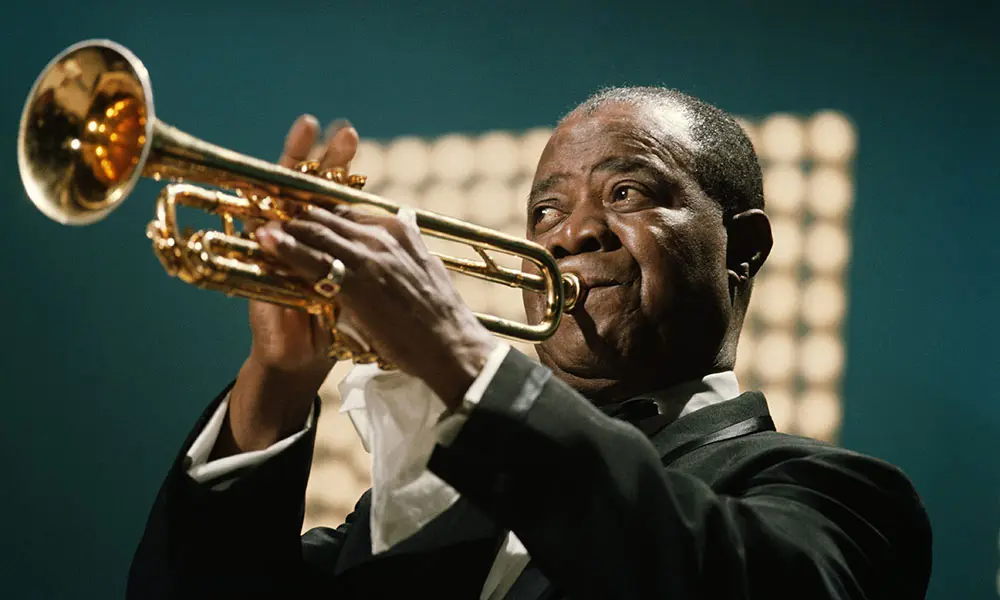
Jazz music has always been a genre that thrives on creativity, improvisation, and cultural richness. When exploring the legends of this genre, it’s impossible not to appreciate the contributions of famous jazz musicians who redefined music across generations. From the soulful rhythms of New Orleans to the bustling jazz clubs of New York, these artists left indelible marks on both the history of music and the hearts of listeners worldwide. Their influence extends beyond jazz, impacting pop, rock, and contemporary music forms, making their legacy truly timeless.
The Birth of Jazz and Its Early Icons
Jazz emerged in the early 20th century in the United States, blending African rhythms, blues, and European musical structures. It was a revolutionary art form that gave musicians the freedom to express emotions through improvisation. Early pioneers like Louis Armstrong, often referred to as the “Father of Jazz,” introduced virtuosic trumpet playing and iconic vocal styles. His performances in the 1920s set the stage for the genre to flourish and inspired countless musicians around the globe.
Key Early Figures
- Duke Ellington – Renowned for his sophisticated compositions and orchestral arrangements, he elevated jazz to a form of high art.
- Bessie Smith – Known as the “Empress of the Blues,” her powerful voice brought emotional depth to jazz and blues alike.
- Fletcher Henderson – A bandleader whose arrangements helped shape big band jazz and swing music.
These early figures not only defined jazz but also helped it cross racial and social boundaries, turning it into a unifying cultural phenomenon.
Swing and Big Band Era
By the 1930s and 1940s, jazz evolved into the swing era, characterized by big bands and danceable rhythms. Leaders like Count Basie and Benny Goodman made jazz a popular form of entertainment, filling dance halls with energetic performances. Swing music emphasized rhythm, collective improvisation, and elaborate arrangements, making it accessible to a wider audience.
Notable Musicians from the Swing Era
- Count Basie – His band’s tight rhythms and blues-infused style became a hallmark of swing.
- Benny Goodman – Dubbed the “King of Swing,” he was instrumental in bringing jazz to mainstream audiences.
- Ella Fitzgerald – The “First Lady of Song,” known for her impeccable vocal technique and improvisational scat singing.
This era solidified jazz as both a popular and respected musical form, bridging the gap between street-level innovation and polished performance art.
Bebop and Jazz Innovation
The 1940s and 1950s saw the rise of bebop, a more complex, improvisation-focused style. Musicians such as Charlie Parker and Dizzy Gillespie introduced fast tempos, intricate chord progressions, and virtuoso solos. Bebop transformed jazz into a musician-centric art, focusing on skill and creative expression rather than mainstream appeal.
Influential Bebop Figures
- Charlie Parker – Alto saxophonist whose revolutionary improvisations redefined harmonic possibilities.
- Dizzy Gillespie – Trumpet innovator, known for his bent horn and pioneering Afro-Cuban jazz influences.
- Thelonious Monk – Pianist whose unconventional compositions and angular playing style challenged traditional jazz norms.
Bebop also influenced later subgenres like hard bop, cool jazz, and modal jazz, demonstrating the genre’s continual evolution.
Modern Jazz and Its Global Reach
In the latter half of the 20th century, jazz expanded into fusion, free jazz, and contemporary styles. Artists such as Miles Davis, John Coltrane, and Herbie Hancock pushed the boundaries of rhythm, melody, and harmony. Their explorations brought jazz into rock, funk, and electronic music, making it relevant for new generations of listeners.
Contemporary Influences
- Miles Davis – Innovator in modal jazz and jazz fusion, known for albums like Kind of Blue and Bitches Brew.
- John Coltrane – Saxophonist whose spiritual approach and technical mastery influenced modern jazz profoundly.
- Herbie Hancock – Pianist and composer, blending jazz with funk, electronic music, and global sounds.
These musicians ensured that jazz remained a living, evolving art form, demonstrating its versatility and global appeal.
The Legacy of Jazz Musicians
The influence of famous jazz musicians extends far beyond their recordings. They shaped music education, inspired new genres, and contributed to cultural movements worldwide. Jazz festivals, educational programs, and tribute albums continue to honor their impact, keeping the music alive for both aficionados and newcomers.
Why Jazz Still Matters
- Encourages creativity and improvisation in music.
- Bridges cultural and generational gaps.
- Serves as a historical record of social and artistic movements.
The innovations of jazz musicians remind us that music is a living dialogue, constantly evolving through collaboration and experimentation.
Conclusion
From the early pioneers of New Orleans to contemporary innovators, jazz musicians have transformed the way we understand rhythm, melody, and improvisation. Their contributions continue to inspire artists and audiences worldwide, cementing jazz as one of the most influential musical genres in history. Today, exploring the work of these legends offers not only enjoyment but also a window into the rich tapestry of cultural and artistic evolution.
