

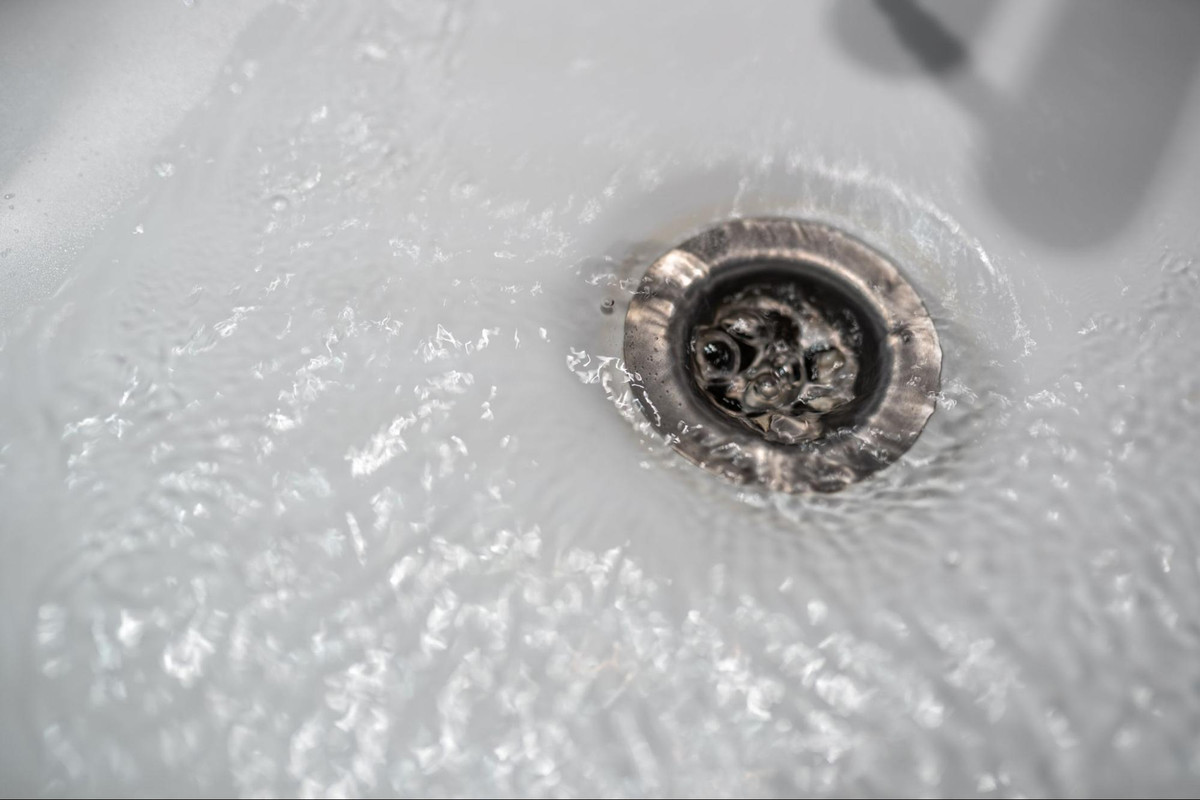
A blocked shower drain is one of those household problems that always seems to happen at the worst possible moment. Standing water quickly turns a relaxing shower into a stressful experience, often accompanied by unpleasant odours and the risk of further plumbing issues if left untreated. Problems like blocked drains Tunbridge Wells households regularly experience highlight just how disruptive even a minor blockage can become if it’s not dealt with promptly.
In most cases, the culprits are easy to identify: hair collecting in the trap, a build-up of soap scum, or oily bath and body products that cling to the inside of the pipes. Over time, these residues combine to form a stubborn blockage that restricts the flow of water.
The good news is that you don’t always need to call in a professional straight away. With a few simple DIY methods, many shower drain blockages can be cleared quickly and safely, saving you both time and hassle. And if the problem proves more stubborn than expected, local experts like DrainBoss are available 24/7 to provide safe, effective solutions across the South of England.
Common Causes of a Blocked Shower Drain
Shower drains work hard every day, and it doesn’t take much for them to become clogged. Even small amounts of residue can build up quickly, restricting water flow and leaving you with standing water in the tray. The most common causes include:
- Hair build-up – The number one cause of shower blockages. Loose strands naturally collect in the drain, where they tangle together and trap other debris. Over time, this creates a dense plug that is difficult for water to pass through.
- Soap scum and residue – Soaps, shampoos, and conditioners often leave behind a sticky film that clings to the sides of the pipe. This residue hardens over time and catches more dirt, accelerating the formation of a blockage.
- Limescale in hard water areas – In parts of the UK with hard water, mineral deposits gradually coat the inside of the pipes. This build-up reduces the diameter of the drain and makes it easier for hair and soap scum to get stuck.
- Accidental items – It’s not unusual for small objects such as jewellery, razor caps, or cotton buds to slip unnoticed into the shower drain. Once lodged inside, these items can cause an immediate blockage or combine with existing build-up to make the problem worse.
Understanding these common causes is the first step to tackling a blocked shower drain effectively. By identifying what is likely responsible for your clog, you can choose the most suitable method to clear it and reduce the chances of the problem returning.
Simple Fixes You Can Try at Home
Before calling a professional, there are several straightforward methods you can try yourself. These approaches are safe, inexpensive, and often effective for minor blockages:
| Method | How It Works | When to Use |
| Pouring hot water (not boiling) | Helps to soften and dissolve greasy residues clinging to the pipe walls. Use water that is very hot, but not boiling, to avoid damaging ceramic or plastic fittings. | Useful for mild blockages caused by soap and oily products. |
| Baking soda and vinegar solution | A natural reaction between the two creates fizzing that helps break down organic build-up. Simply pour baking soda into the drain, add vinegar, and let it sit before flushing with hot water. | Ideal as an eco-friendly and chemical-free method for light to moderate clogs. |
| Using a plunger | Creates pressure and suction to dislodge blockages deeper in the pipe. For best results, remove the drain cover and ensure a tight seal before plunging. | Effective when water is slow to drain and you suspect the blockage is slightly further down. |
| Manual removal | After removing the drain cover, use a hook, small tool, or even gloved fingers to pull out trapped hair and debris. | Best when you can clearly see hair or soap build-up at the top of the drain. |
| Drain snake or wire hanger | A flexible tool that reaches deeper clogs. The hooked end can break up or pull out hair and other debris lodged further inside the pipe. | Suitable for more stubborn blockages that aren’t reachable by hand. |
These simple methods often restore normal water flow in just a few minutes. Trying one or two of them before turning to stronger chemicals or professional tools can save you time, money, and unnecessary stress.
When Home Remedies Aren’t Enough
While DIY methods are often effective for small blockages, there are times when they simply aren’t enough. A few warning signs suggest that the problem is more serious:
- Water draining away very slowly, or not at all
- Persistent unpleasant odours coming from the shower drain
- Standing water in the tray that returns shortly after being cleared
In these cases, the blockage may be further down the pipework, or there could be a more complex issue affecting your drainage system. It’s also important to be cautious with chemical drain cleaners. Overuse can damage pipework, especially in older properties, and harsh substances can pose a risk to both health and the environment.
When the problem persists despite your best efforts, the safest and most effective solution is to call in a professional drainage engineer. Experienced specialists have the right tools and techniques to clear even the most stubborn blockages quickly, without causing damage to your system. Acting early can save you from bigger issues later on, such as leaks, flooding, or costly repairs.
How to Prevent Future Shower Drain Blockages
Dealing with a blocked shower drain once is enough to make most people want to avoid it happening again. Fortunately, a few simple habits can significantly reduce the risk of future clogs:
- Fit a drain filter or hair catcher – A small, inexpensive cover placed over the drain can trap hair and other debris before it enters the pipe. Cleaning it regularly takes only seconds but can prevent major problems.
- Clean the drain routinely – Remove the drain cover and clear away any visible build-up. A quick clean once a fortnight can stop small obstructions turning into full blockages.
- Avoid oily or greasy products – Certain shampoos, conditioners, and body oils can leave waxy residues that cling to the pipe walls. Switching to lighter products helps keep the drain clear.
- Flush with hot water weekly – Running very hot (but not boiling) water down the drain once a week helps dissolve soap scum and wash away any small deposits before they become an issue.
By adopting these simple steps, you’ll keep your shower drain flowing freely and minimise the chances of facing another inconvenient blockage. Prevention is always easier, cheaper, and far less stressful than dealing with an emergency.
Professional Help for Persistent Blockages
If your shower drain remains clogged despite your best DIY efforts, it’s time to call in a professional. Choosing expert help not only saves time but also ensures the blockage is dealt with safely and thoroughly. Here are the key advantages of turning to a drainage specialist:
- Safe solutions – Professionals use methods designed to clear blockages without harming your pipes, unlike some harsh chemical cleaners that can cause long-term damage.
- Specialist equipment – From high-pressure water jetting to mechanical drain snakes and CCTV surveys, experts have tools that can quickly and effectively tackle even the toughest clogs.
- Fast and reliable service – Trained engineers can diagnose the issue and restore normal drainage far quicker than repeated trial-and-error attempts at home.
- Preventative care – A professional visit often includes advice on how to avoid future blockages and may highlight other hidden problems before they become costly repairs.
- Peace of mind – Knowing the job has been completed properly eliminates the stress of recurring issues and the risk of water damage.
DIY remedies are a great first step, but for persistent or recurring blockages, expert help is the smartest choice.
If your shower drain is still blocked after trying these methods, contact DrainBoss – we provide reliable, 24/7 emergency drain unblocking services across the South of England.
Conclusion
Most shower drain blockages can be cleared with simple at-home fixes such as hot water, baking soda and vinegar, or a plunger. These easy steps are often enough to restore normal water flow and prevent the problem from escalating. However, if the clog proves persistent, produces unpleasant odours, or causes standing water to return, it’s best not to take risks with harsh chemicals or repeated DIY attempts.
For complete peace of mind, calling in a trusted professional is the safest solution. DrainBoss is a family-run drainage company serving Sussex, Surrey, Hampshire, Kent, Brighton and South London, offering fixed-price services with no call-out fees. With 24/7 availability and advanced equipment, our experienced team can resolve even the most stubborn blockages quickly and effectively. When home remedies aren’t enough, you can count on DrainBoss to restore your drains safely and reliably.
