

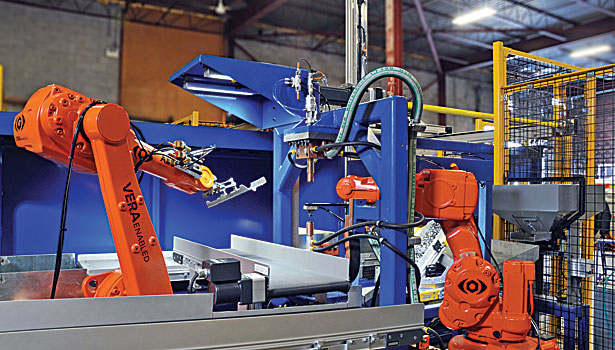
The world of manufacturing is perpetually seeking innovations that promise higher quality, greater speed, and improved safety. Among the array of advanced techniques now available, robotic nut welding has emerged as a standout, offering a sophisticated and incredibly effective approach to joining components. This automated process is rapidly redefining what’s possible in assembly lines across the UK and beyond.
How Robotic Nut Welding Works Its Magic
Nut welding, a precise form of resistance welding, involves securely attaching a nut to a metal workpiece. The nuts are specifically designed with small projections that, under pressure and an electrical current, melt and fuse with the base material, creating a robust, integrated bond. When robots take control of this intricate process, it becomes robotic nut welding, transforming a skilled manual task into an automated, repeatable operation.
The core advantage of robotic integration is the unparalleled level of control. Robots are meticulously programmed to ensure exact positioning of the welding head and the nut, applying consistent force and delivering the precise amount of current for the optimal duration. This meticulous control virtually eliminates the inconsistencies common in manual welding, guaranteeing a superior quality weld every single time.
The Undeniable Advantages for Industry
Adopting robotic nut welding brings a host of compelling benefits to any manufacturing operation. Firstly, the quality and consistency of welds are dramatically elevated. Every weld is identical, meeting stringent specifications without deviation. This is particularly crucial for sectors like automotive, where the integrity of every join directly impacts vehicle safety and performance.
Secondly, productivity soars. Robots can operate continuously at high speeds, without breaks or fatigue, leading to a significant increase in output. This translates to faster production cycles and greater volumes of finished products, directly improving a company’s competitive edge and profitability.
Thirdly, cost efficiencies are a major draw. While the initial outlay for robotic systems is an investment, it’s quickly offset by long-term savings. These include reductions in labour costs, minimal material waste thanks to lower defect rates, and optimised energy use. Furthermore, the enhanced product quality often results in fewer reworks, reduced warranty claims, and greater customer satisfaction.
Finally, a crucial, often understated, benefit is enhanced worker safety. Welding processes can expose human operators to hazardous conditions, including intense heat, bright flashes, harmful fumes, and repetitive strain. Automating these tasks moves workers away from such risks, allowing them to focus on safer, more value-added activities within the factory.
Widening the Scope of Application
Robotic nut welding is indispensable in industries demanding high-volume, precision assembly. It’s extensively used in the automotive industry for attaching nuts to chassis, body panels, and exhaust systems. Beyond vehicles, its applications span the production of domestic appliances, electrical control panels, metal furniture, and a variety of sheet metal components where strong, reliable fastening points are essential.
As technology continues its relentless march forward, the capabilities of robotic welding systems are only set to expand. The integration of advanced vision systems and artificial intelligence promises even greater precision and adaptability, ensuring that robotic nut welding remains a vital, cutting-edge solution for efficient and high-quality manufacturing long into the future.
