

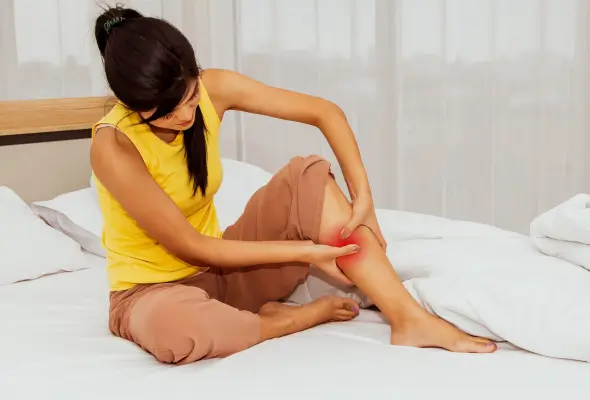
Ever woken up to a sharp, searing pain in your calf that jolts you out of sleep? It’s an unpleasant experience that leaves you clutching your leg, desperate for relief. These painful contractions often come without warning, disrupting an otherwise peaceful night. Some occur occasionally, while others face them almost every evening.
Night-time Leg Cramps are more than just a nuisance; they can impact sleep quality and daily function. If you’ve experienced these muscle spasms, you know they aren’t easy to ignore. Understanding why they happen and how to alleviate them can make all the difference. Let’s dive into the causes, warning signs, and practical solutions to ease these nighttime disruptions.
Why Do These Sudden Muscle Spasms Occur?
Muscles contract and relax throughout the day, but sometimes, they tighten involuntarily, leading to painful cramping. Several factors contribute to this discomfort, from dehydration to nerve issues. A lack of essential minerals, particularly magnesium, calcium, and potassium, can leave muscles prone to spasms. Overuse or prolonged standing may also trigger these episodes, especially in individuals with active lifestyles.
Addressing the root cause can significantly reduce the frequency of these contractions. Certain medications, such as diuretics or statins, can also increase the risk of muscle spasms. These drugs may deplete vital minerals, making the body more susceptible to involuntary contractions. Additionally, age plays a role—older adults are more likely to experience these episodes due to natural muscle loss.
Recognising Symptoms Beyond the Pain
When a cramp strikes, the sensation is immediate and intense. A sudden tightening in the calf, thigh, or foot often lasts several seconds, though some linger for minutes. The affected muscle feels hard to the touch, almost like it’s locked in place. In severe cases, soreness persists long after the muscle relaxes, making it hard to move comfortably. Some individuals notice subtle warning signs—an odd tingling or slight muscle twitch before the onset.
Others experience recurring patterns, with these spasms happening at the same time each night. Those who exercise frequently may feel tightness in their muscles even when at rest, indicating an increased likelihood of experiencing cramping. If cramps become frequent or increasingly painful, consulting a healthcare professional is essential to rule out underlying medical concerns. In rare cases, chronic spasms can be linked to nerve damage or more serious conditions like multiple sclerosis.
Simple Lifestyle Adjustments for Long-term Prevention
Preventing muscle contractions starts with small but meaningful lifestyle changes. Staying hydrated throughout the day optimises muscles, reducing the risk of sudden tightness. Increasing mineral-rich foods, such as bananas, leafy greens, and nuts, supports proper muscle activity. Stretching before bed can also be beneficial, particularly for individuals prone to frequent spasms.
Gentle exercises like toe flexes and hamstring stretches relax muscles, lowering the likelihood of contractions. A warm shower or bath before bed may also help by loosening tight muscles and improving circulation. Investing in comfortable, supportive footwear further helps prevent undue strain, especially for those on their feet all day. Poorly fitted shoes can lead to muscle fatigue, making cramps more likely to occur at night.
Effective Remedies for Immediate Relief
When a cramp strikes, quick action can ease the discomfort. Applying gentle pressure or massaging the affected area helps loosen tight muscles, offering immediate relief. Heat therapy, such as a warm towel or heating pad, improves circulation and soothes soreness. Like an ice pack, cold therapy also reduces muscle irritation. Alternating between hot and cold treatments can provide even more significant relief.
Some individuals find relief through magnesium oil or topical creams, which help relax overactive muscles. Essential oils like lavender or peppermint may be soothing when applied to tense areas. Walking around or flexing the foot can encourage muscle relaxation if a cramp doesn’t subside quickly. Deep breathing exercises can also help, as they promote overall relaxation and reduce tension in the body.
Using Leg Cramp Tablets and Capsules for Added Support
Certain supplements may provide additional relief for those experiencing frequent spasms. Leg cramp tablets containing magnesium, calcium, and potassium help restore depleted minerals, reducing the likelihood of muscle contractions. Capsules with vitamin B-complex can also improve nerve function, preventing excessive muscle tightness. However, choosing high-quality supplements and consulting a healthcare provider before starting any new regimen is crucial.
Not all products are created equal, and taking excessive amounts of certain minerals can have unintended side effects. Additionally, herbal supplements like valerian root or chamomile may aid muscle relaxation and promote better sleep. Some people find that taking an electrolyte supplement before bed helps prevent spasms, especially after intense physical activity. Combining these solutions with proper hydration and stretching creates a well-rounded approach to managing discomfort.
Night-time Leg Cramps can disrupt sleep and impact daily activities. Addressing the root causes—whether dehydration, mineral deficiencies, or overuse—can significantly reduce their occurrence. Simple adjustments like stretching, staying hydrated, and using targeted supplements can provide lasting relief. If these painful spasms persist, seeking medical advice ensures proper diagnosis and treatment.
