

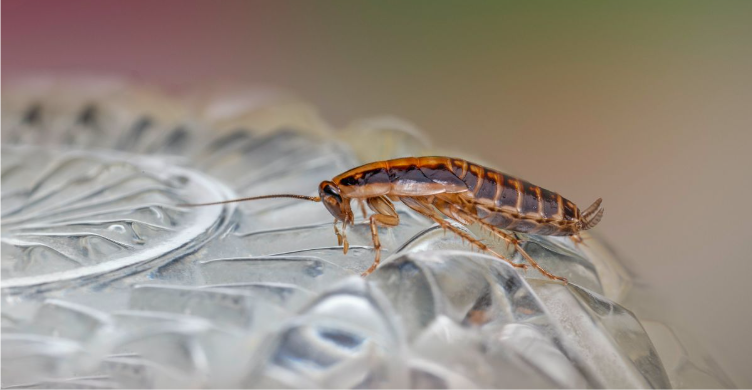
Urban environments often become battlegrounds for pest conflicts, where humans and wildlife frequently clash. These interactions can lead to significant challenges, from health risks to property damage, and navigating them can be overwhelming. Understanding the dynamics of urban pest conflicts is crucial for developing effective management strategies that protect your living space and local ecology.
As cities expand, natural habitats shrink, forcing many pests to adapt to urban landscapes. You may encounter rats, cockroaches, or raccoons, each presenting unique issues that require tailored solutions. These conflicts disrupt your daily life and can have broader implications for urban ecosystems.
It is essential to be proactive in addressing urban pest conflicts. You can minimize attractants around your home and foster cooperation with wildlife while maintaining a safe and healthy living environment. Keeping informed about pest behavior and effective prevention measures empowers you to tackle these challenges head-on.
Understanding Urban Pest Dynamics

Urban pest dynamics involve complex interactions between various pest species and their environments. Recognizing these patterns aids in effective urban pest management strategies and the implementation of eco-friendly pest control methods.
Fundamentals of Urban Pest Ecology
Human activity drives urban areas to provide unique habitats for pests. Key factors include food availability, shelter, and climate. For example, cockroaches thrive near food sources in warm, moist locations, while rodents seek out nesting spots in building structures.
Due to the availability of resources, pests can reproduce rapidly in urban settings. This continuous cycle of growth often leads to infestations if not managed. Understanding the specific species within your environment is crucial for applying targeted control methods that minimize ecological impact.
Patterns of Urban Pest Behavior
Pest behavior in urban areas often adapts to human activities. For instance, ants follow pheromone trails to food sources and may establish colonies near trash bins or gardens. Similarly, mosquitoes are attracted to stagnant water, often found in urban landscapes.
Behavioral patterns also indicate when interventions may be necessary. For instance, increased rodent activity during winter months prompts the need for preventive measures. Using eco-friendly pest control techniques can address these issues while aligning with urban pest management goals. Effective pesticide use should prioritize the health of surrounding ecosystems to ensure long-term pest management success.
Strategies for Urban Pest Management

Effective urban pest management requires a combination of approaches tailored to the unique challenges posed by city environments. Key strategies involve integrated solutions, innovative technologies, and stakeholder collaborative efforts.
Integrated Pest Solutions in Cities
You should consider integrated pest solutions as a core strategy for managing urban pest conflicts. These strategies focus on cohesive prevention, monitoring, and control methods. Utilizing methods like biological control, habitat modification, and responsible pesticide use creates a balanced approach to pest management.
Engaging the community is crucial. Educating the public on proper waste disposal, introducing plants that deter pests, and promoting pest-resistant building materials can significantly reduce pest populations. Effective communication among residents, businesses, and pest control professionals leads to long-term success.
Innovations in Pest Control Technologies
Advancements in technology offer new tools for urban pest management. For instance, smart traps with sensors detect pest activity and send alerts to users, enabling prompt action. These systems improve response times and minimize the need for chemical treatments.
Drones are also emerging as useful tools in monitoring pest activity from above. They can conduct aerial surveys to identify infestations in hard-to-reach areas. Adopting these innovative technologies helps cities manage pest populations more effectively and sustainably.
Collaborative Efforts in Pest Management
Collaborative efforts among various stakeholders are vital for successful urban pest management. You can benefit from partnerships between government agencies, local businesses, and residents. Developing a pest management plan that includes input from all parties ensures comprehensive coverage and shared responsibility.
Regular community pest management workshops raise awareness and encourage proactivity. Neighborhood alliances that focus on pest prevention can create shared resources for residents. By fostering collaboration, you build a network that enhances the efficacy and sustainability of pest control efforts in urban areas.
Case Studies
Urban pest conflicts can be challenging; specific case studies illustrate effective management strategies and resolution techniques. These examples provide insight into successful methodologies and community approaches towards pest control.
Urban Pest Management in Lewisville
In Lewisville, urban pest management has adapted to the growing challenges urbanization poses. A collaborative effort between the city and local pest control services has resulted in an integrated pest management program that employs a combination of prevention, monitoring, and control measures.
Key strategies include public awareness campaigns about pest prevention tactics, such as proper waste disposal and landscaping choices that deter pests. Through community workshops, residents learn best practices that significantly reduce pest populations. Additionally, local companies specializing in humane wildlife removal have effectively tackled issues like raccoon and squirrel intrusions, ensuring safety and environmental responsibility.
Shared Spaces Pest Control Successes
Shared spaces, including parks and communal areas, require focused pest control efforts to maintain a pleasant environment. Lewisville has successfully implemented a cooperative pest management strategy across these shared spaces. By partnering with residents and local businesses, proactive measures have been established to mitigate infestations.
Landscaping adjustments like planting pest-resistant flora and establishing regular maintenance schedules have proven effective. Moreover, specialized pest control teams monitor these areas regularly, allowing for swift responses to emerging issues. This proactive approach contributes to a healthier community and enhances the enjoyment of public spaces.
Wildlife Conflict Resolution Approaches
Conflicts with urban wildlife present unique challenges, particularly in suburban areas. In Lewisville, a focus on conflict resolution has emerged, involving community engagement and educational initiatives. Programs educate residents on how to coexist with wildlife, emphasizing prevention tactics like securing trash bins and removing food sources.
The involvement of trained wildlife professionals is crucial in these efforts. They provide essential services such as humane trapping and relocation. Residents are encouraged to contact local companies specializing in wildlife conflict resolution for effective, safe solutions.
For comprehensive options in pest and wildlife control, explore Pest Control Lewisville. Here, you can find highly rated professionals ready to assist with your needs. Many offer free inspections, making it easier to address any issues promptly.
